Focus on the Task.
The instructional core. Student work.
A closer look at deeper learning.
What does the work ask students to think about?
Our second gathering brought the Deeper Learning Mid-Atlantic Hub to Two Rivers to examine a question at the heart of instruction: what are students actually doing, and what will they know and be able to do as a result?
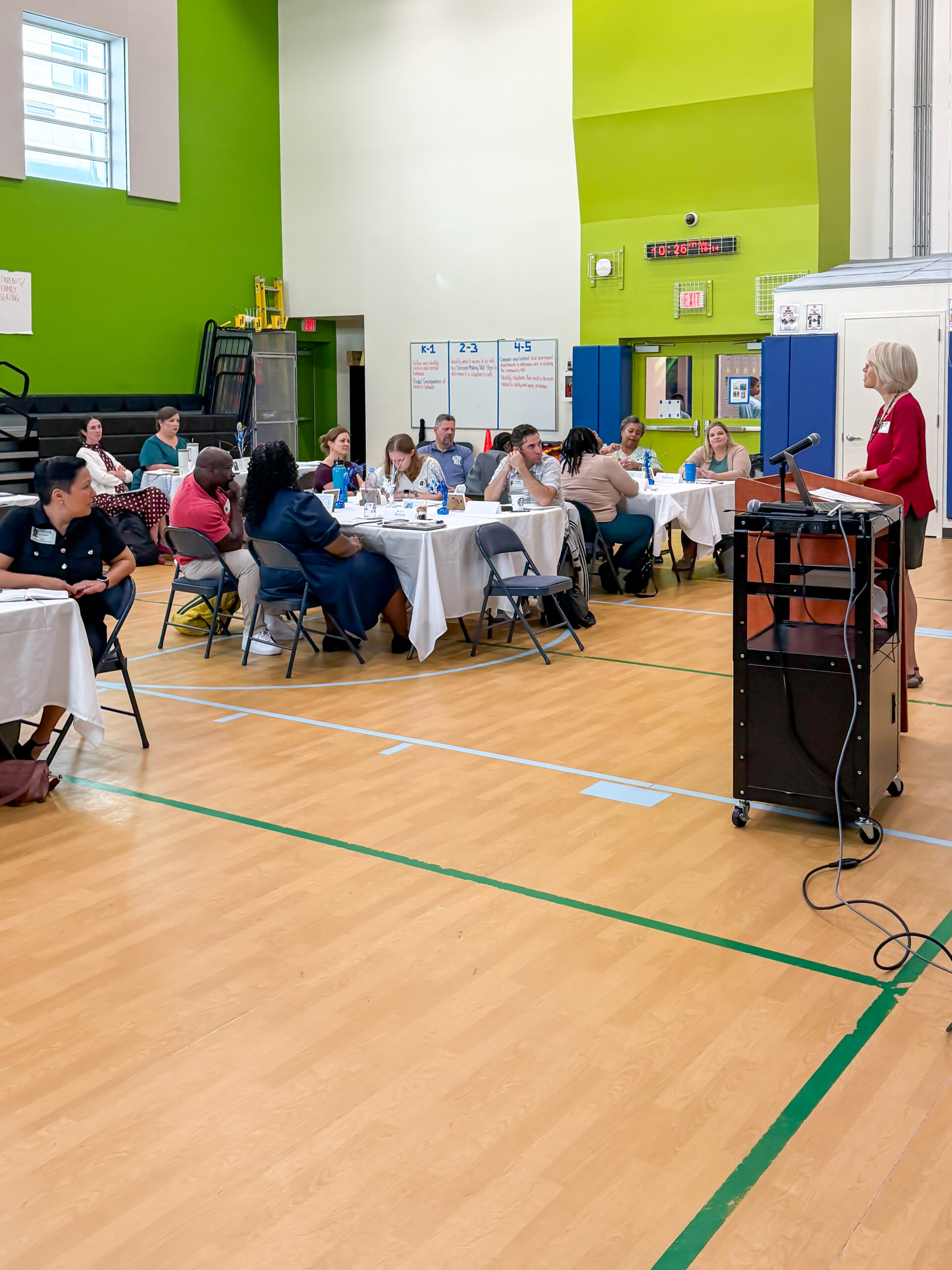
With Sarah Fiarman, we explored the instructional core—the interaction among students, teachers, and content—and practiced looking beyond an assignment’s stated purpose to the thinking the task requires.
We then examined Two Rivers student work together, using evidence to sharpen our understanding of deeper learning and consider what might come next.
From the task
to the evidence.
Look closely at the task.
Through reading, classroom examples, and video, we considered the work learners actually do and the understanding that work makes possible.
Let student work inform the conversation.
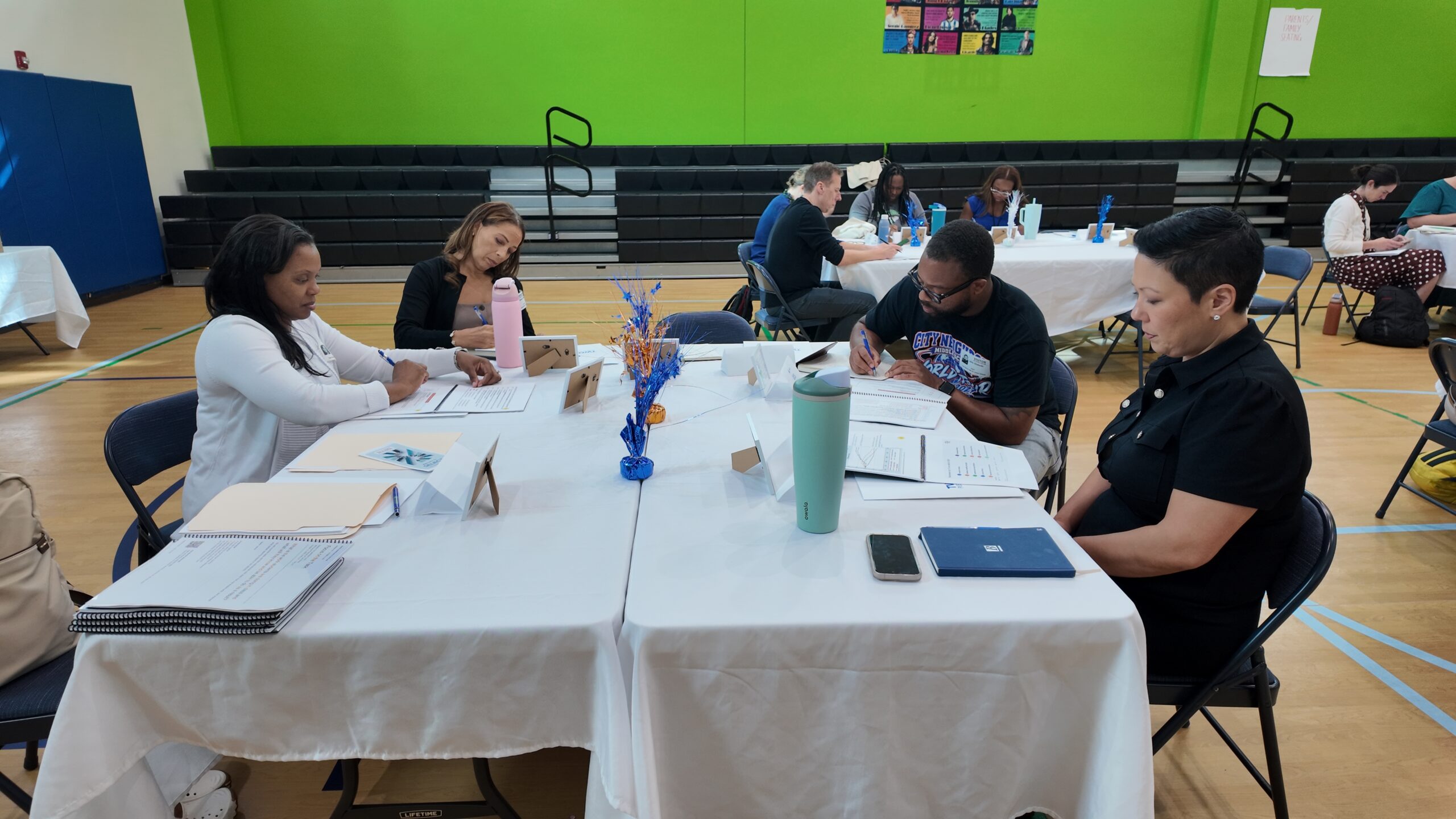
Using a Looking at Student Work protocol, educators examined Two Rivers classwork, distinguished observations from interpretations, and raised questions about student thinking.
Bring the questions back to school.
The session invited leaders to examine the tasks students experience in their own schools and continue learning with colleagues across the Hub.
A closer look at learning.
Watch the Session 2 recap for voices from the gathering, moments from the workshop, and reflections on what student work can reveal.
Open the captioned recap ↗ · 2:31
Learning is a shared practice.
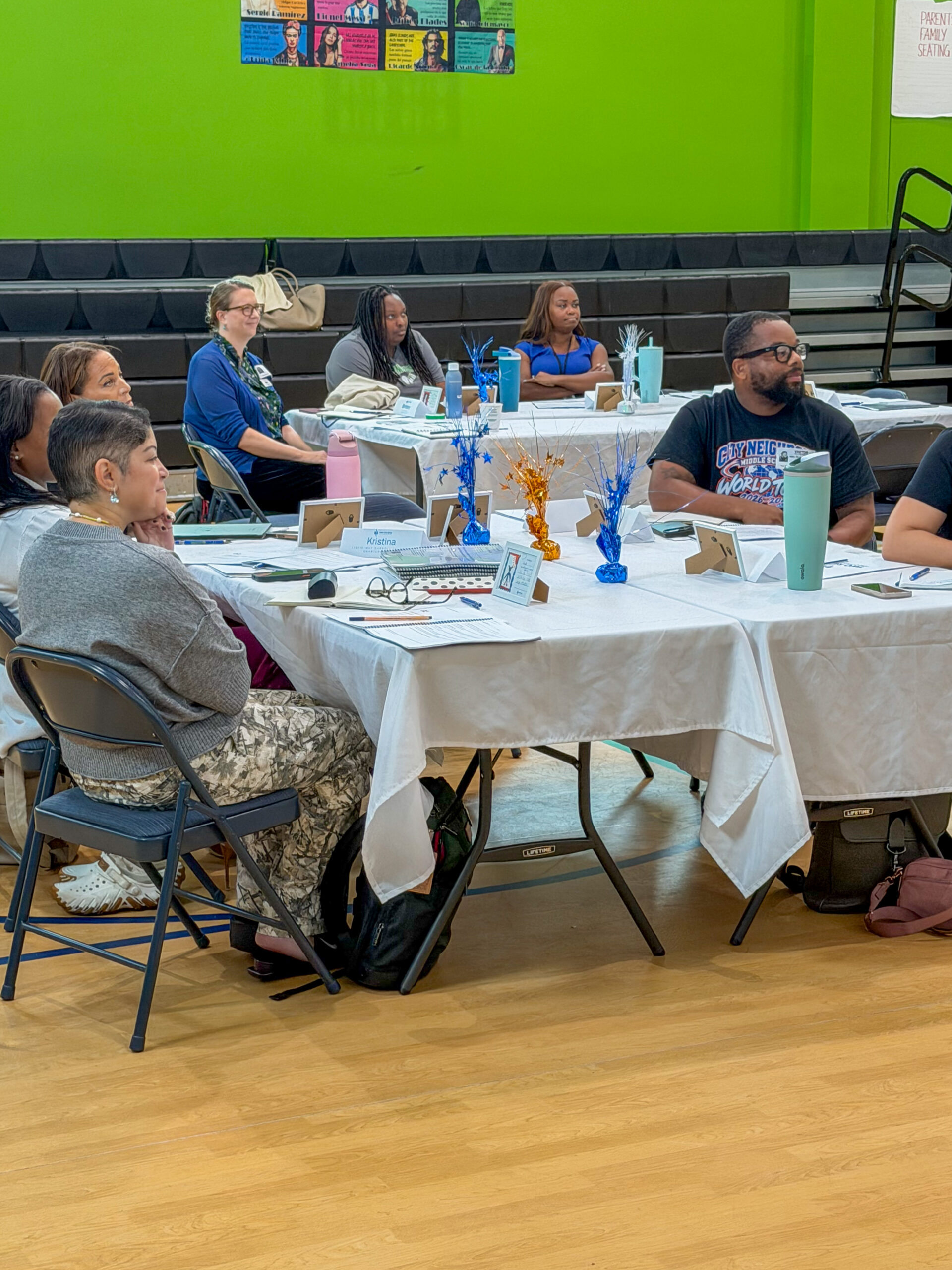
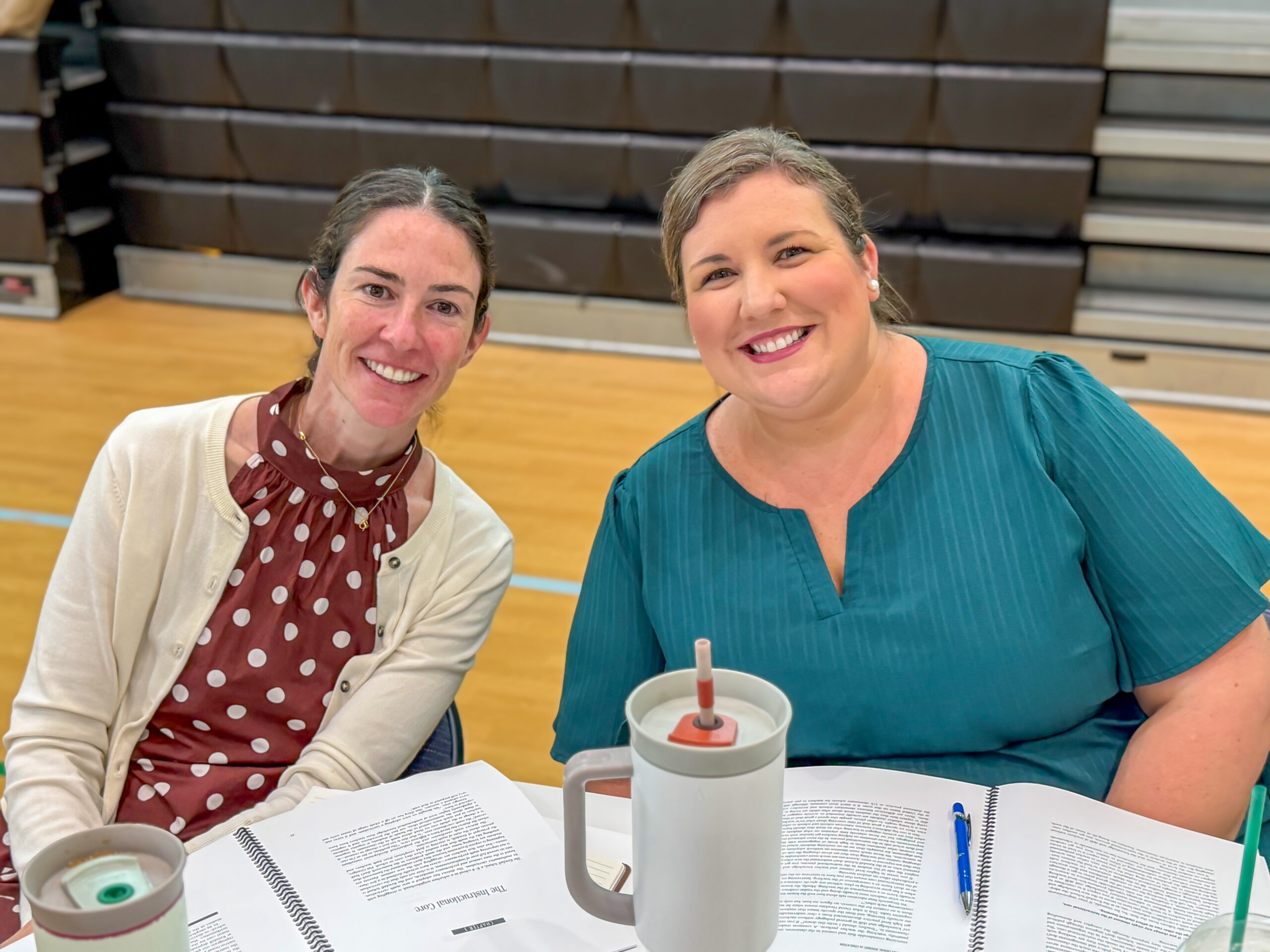
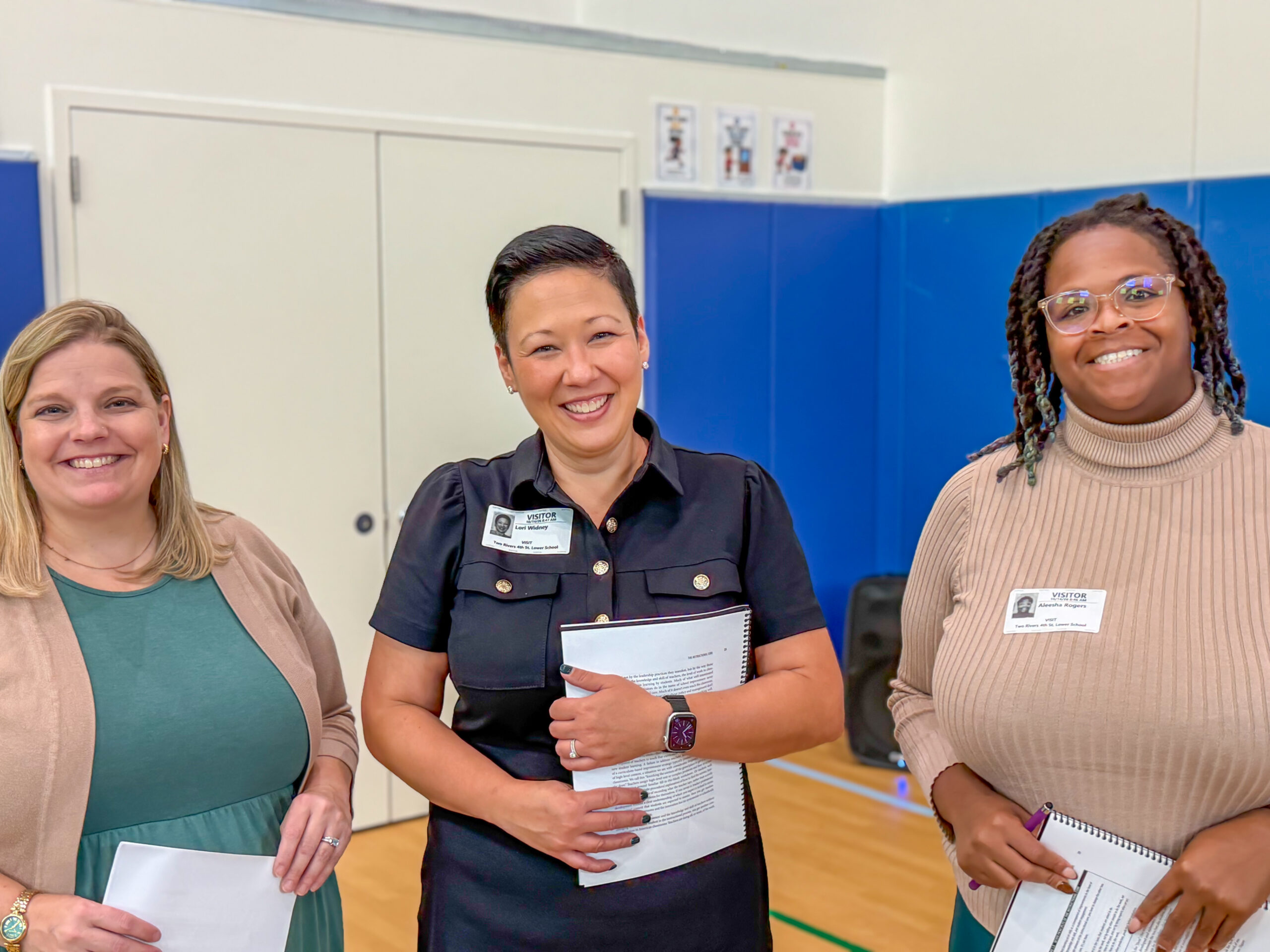
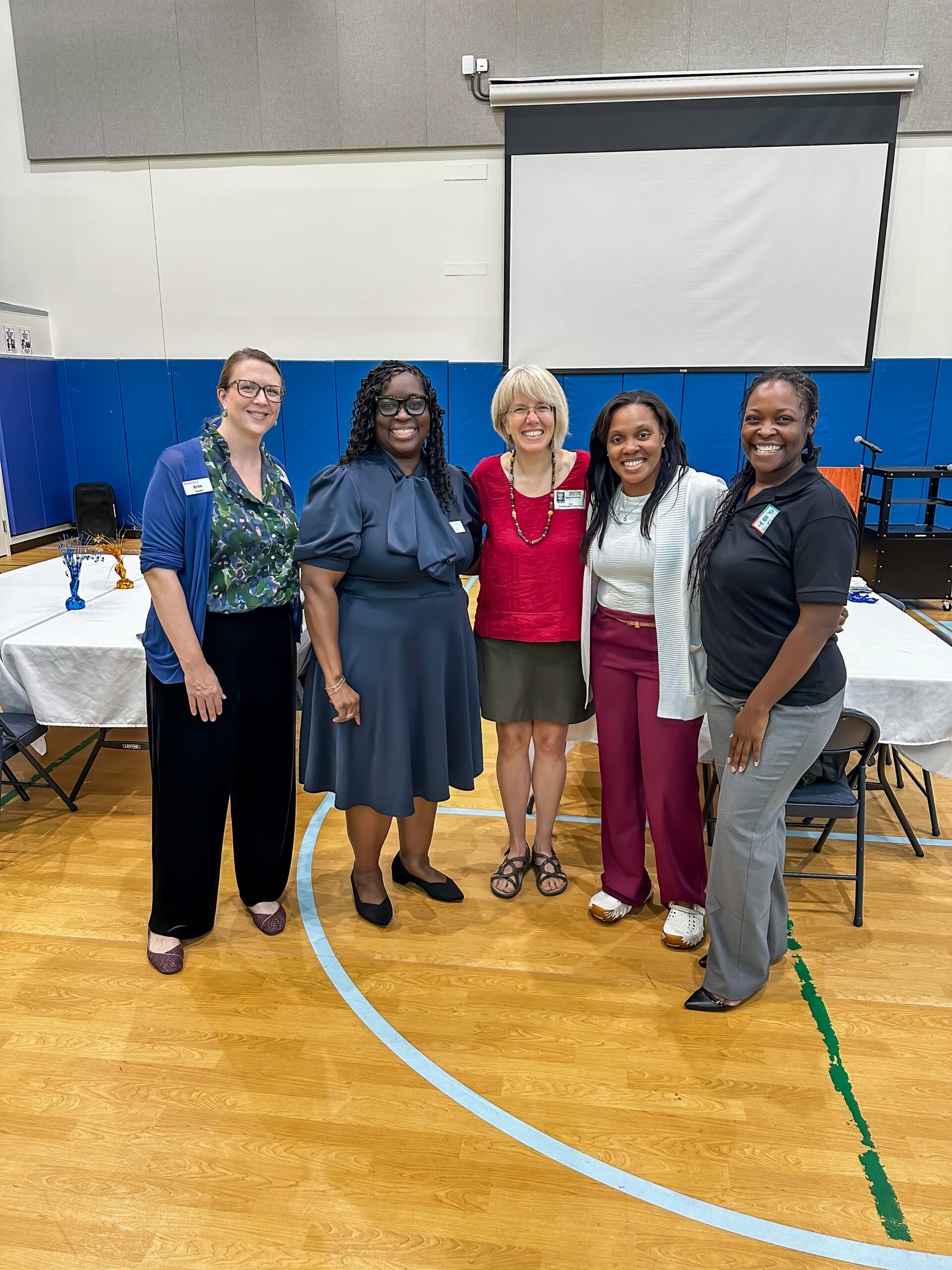
Educators read, recorded their thinking, learned with Sarah, and connected across schools. These moments capture the shared inquiry behind the Hub’s work.
Carry the question with you.
Choose a task from your school. Look at what students actually do, then ask:
- What thinking does this task require?
- What evidence of understanding can we see?
- What more would we need to know?
- How might the task deepen students’ reasoning or application?
Bring the questions.
Keep learning together.
The Hub connects educators across schools to examine student work, open their practice, and deepen teaching and learning.